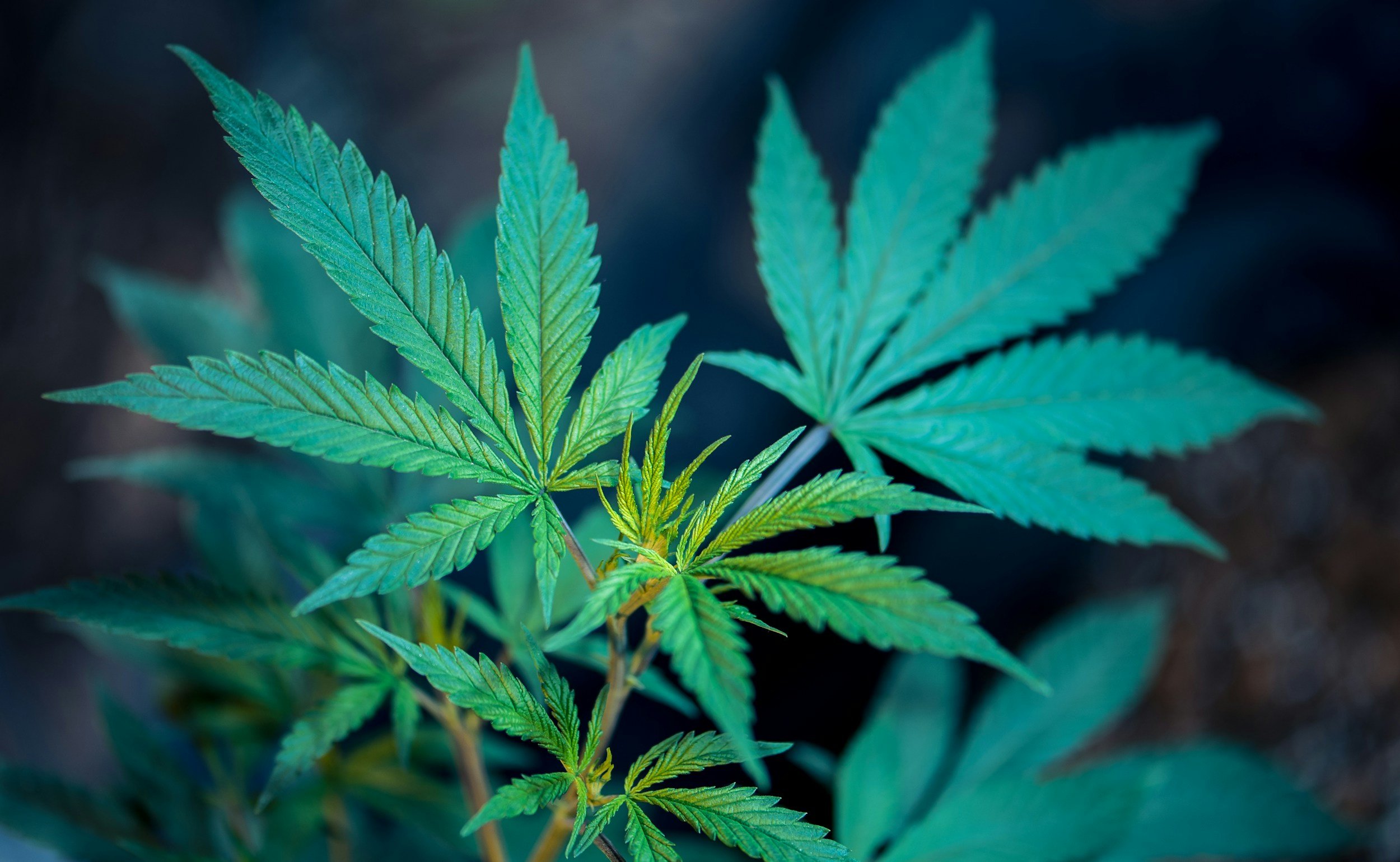
As the cannabis industry continues to expand globally, it brings with it a significant environmental footprint. From energy-hungry indoor grow cannabis medicine operations to water-intensive farming practices, cannabis cultivation—especially on a commercial scale—has raised serious ecological concerns.
At the same time, a new wave of environmentally conscious growers, scientists, and entrepreneurs are working to create more sustainable and regenerative cannabis practices. In this article, we’ll explore the key environmental impacts of cannabis cultivation and the innovative solutions being developed to reduce harm and build a greener industry.
The Problem: How Cannabis Cultivation Affects the Environment
Legal and illegal cannabis farming can both have unintended consequences on the environment. These include:
- High Energy Consumption
Indoor cannabis cultivation uses a lot of electricity. Growers rely on:
High-intensity lighting (HPS or LED)
Climate control systems (heating, cooling, humidity control)
Ventilation and air purification systems
According to some estimates, indoor cannabis grows can use as much energy per square foot as data centers, contributing to significant greenhouse gas emissions, especially in areas where electricity is generated from fossil fuels.
- Water Usage and Pollution
Cannabis is a thirsty crop, especially during the flowering stage. Outdoor and greenhouse grows often require hundreds of gallons of water per plant per season.
Problems arise when:
Water is diverted from local streams or rivers, affecting ecosystems
Growers overuse fertilizers and pesticides, leading to runoff that pollutes soil and water supplies
Poor irrigation practices lead to erosion and water waste
- Soil Degradation and Deforestation
Illegal grows, especially on public lands, often result in:
Clear-cutting forests for grow space
Soil erosion from lack of ground cover
Introduction of non-native or toxic chemicals into natural ecosystems
Even legal operations can deplete the soil if not managed properly, reducing land fertility over time.
- Plastic Waste
From single-use packaging and containers to grow bags and drip irrigation tubing, cannabis cultivation and retail generate significant plastic waste.
Strict labeling and child-proof packaging laws, though important for safety, have led to excessive plastic use, most of which is not recyclable.
Sustainable Practices in Cannabis Cultivation
Fortunately, many growers are now prioritizing sustainability—driven by environmental responsibility, consumer demand, and regulatory pressure. Here’s how the industry is working to reduce its impact:
- Switching to Outdoor or Greenhouse Growing
While indoor grows offer year-round cultivation and precise control, outdoor and greenhouse operations:
Use natural sunlight, reducing electricity use
Offer a lower carbon footprint
Encourage more natural plant growth cycles
Greenhouses, in particular, combine the best of both worlds—allowing for light supplementation and climate control with significantly reduced energy costs.
- Water Conservation Techniques
Smart water practices are key to sustainability:
Drip irrigation delivers water directly to plant roots, minimizing waste
Rainwater harvesting systems can reduce dependence on groundwater
Closed-loop irrigation systems allow for water reuse and nutrient recapture
These approaches help preserve local water sources and reduce pollution from runoff.
- Soil Regeneration and Organic Practices
Many sustainable cannabis farms are adopting regenerative agriculture methods:
Composting and cover cropping to enrich the soil naturally
Avoiding synthetic fertilizers and using organic amendments
Encouraging beneficial insects instead of pesticides for pest control
These techniques restore soil health, support biodiversity, and result in cleaner, more eco-friendly cannabis.
- Energy-Efficient Equipment
When indoor grows are necessary, energy-efficient upgrades can help:
LED lighting uses less power and produces less heat
Solar panels or other renewable energy sources can offset electricity use
Automated climate control systems optimize resource use and reduce waste
Governments and utility companies in some areas are offering rebates and incentives for cannabis facilities that adopt energy-saving measures.
- Sustainable Packaging Innovations
To address plastic waste, cannabis companies are:
Using biodegradable or compostable packaging materials
Offering reusable containers or recycling programs
Advocating for flexible regulations that allow for sustainable alternatives without compromising safety
Educating consumers and policy makers about the environmental costs of overpackaging is also an important step forward.
Certifications and Standards for Eco-Conscious Cannabis
Several third-party certification programs are helping consumers identify sustainable cannabis brands, including:
Sun+Earth Certified – focuses on organic, regenerative outdoor cannabis farming
Clean Green Certified – modeled after USDA organic standards, adapted for cannabis
Certified Kind – a rigorous program ensuring environmental stewardship and ethical labor practices
Supporting certified growers encourages broader adoption of earth-friendly practices across the industry.
Challenges to Sustainability in the Cannabis Industry
Despite the momentum, there are still hurdles:
High startup costs for sustainable infrastructure (solar, water recycling, etc.)
Complex regulations that don’t always align with green practices
Market competition driving producers to prioritize yield over sustainability
Lack of research and industry-wide standards for best environmental practices
To overcome these challenges, growers, consumers, and policymakers must work together to prioritize long-term ecological health over short-term profits.
What Consumers Can Do
Cannabis consumers play a powerful role in shaping the industry’s direction. You can support sustainability by:
Choosing products from organic or certified sustainable growers
Asking dispensaries about grow practices and packaging choices
Supporting local and small-batch farms that value the environment
Advocating for eco-friendly legislation and packaging reform
Every purchase is a vote for the kind of cannabis industry you want to see.
Conclusion
As cannabis becomes a mainstream agricultural product, its environmental footprint can no longer be ignored. But with innovation, accountability, and a shared commitment to sustainability, the industry has the potential to lead the way in eco-conscious farming, production, and distribution.
 Site Title